Surveillance, Design Fiction, Filmmaking, Co-Speculation, Design Probes
Project Overview
Between Lines is a critical investigation into how potentially harmful surveillant technologies are rationalized, produced, and deployed by technologists.
Simultaneously, it explores how designers can rapidly prototype future technologies to showcase their potential impacts.
Location-based recommendation systems are becoming increasingly ubiquitous in the march toward fully tailored user experiences. Applications like Google Maps, Strava, Uber, Hinge, and many others utilize location data as key material for providing contextual recommendations.
This project is situated within design’s future-oriented nature, critically speculating possible futures with location-based recommenders. Through our work we propose possible refinements to current approaches and speculative design practices for engaging domain experts in co-speculation. We employ the use of tailored, high-fidelity, critical design fiction films.
In this case study, we lay preliminary insights, including a widespread sense of fatalism, self-described lack of agency, and underlying individualist ideologies driving development and deployment of these systems.

Approach
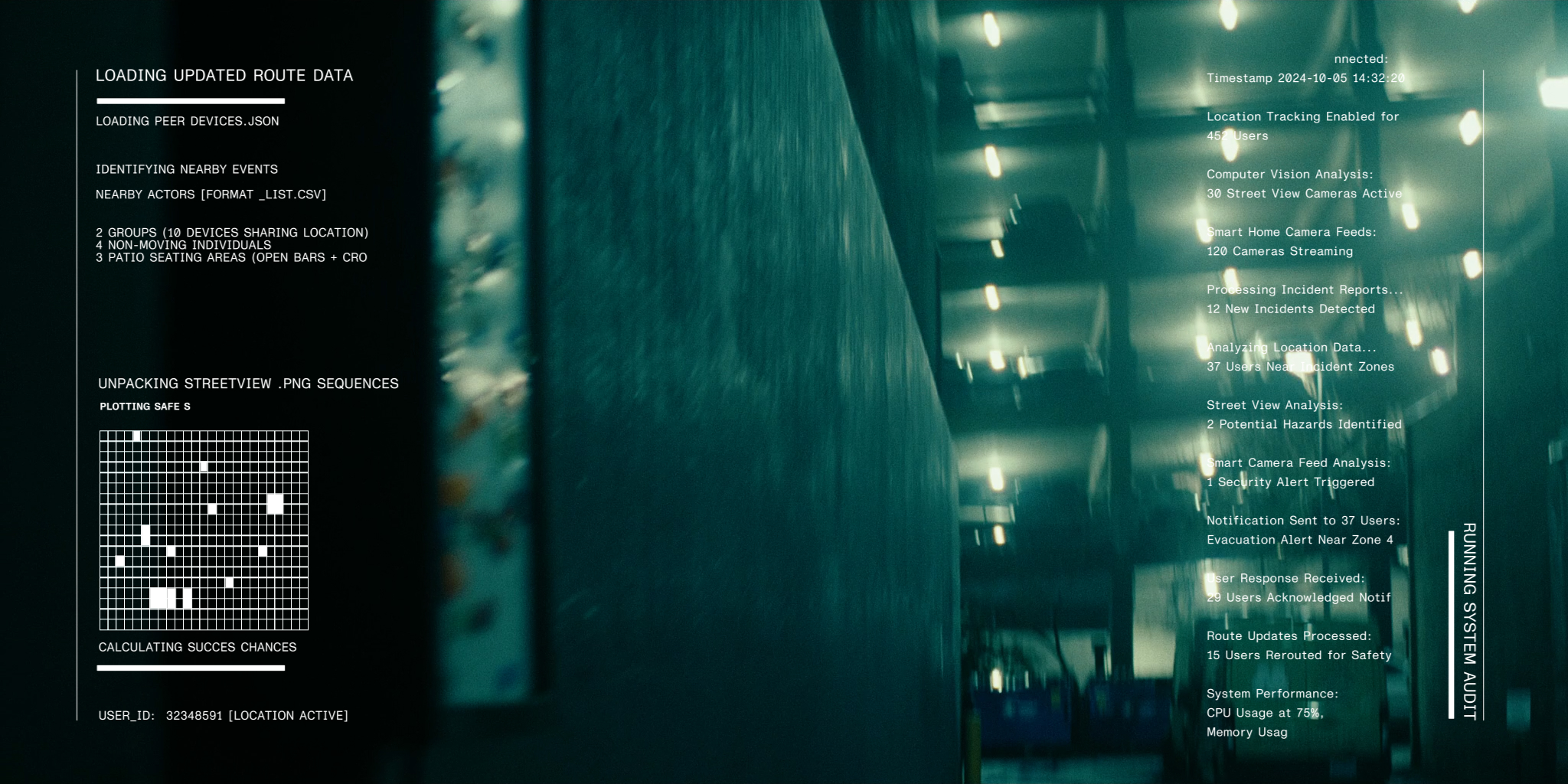
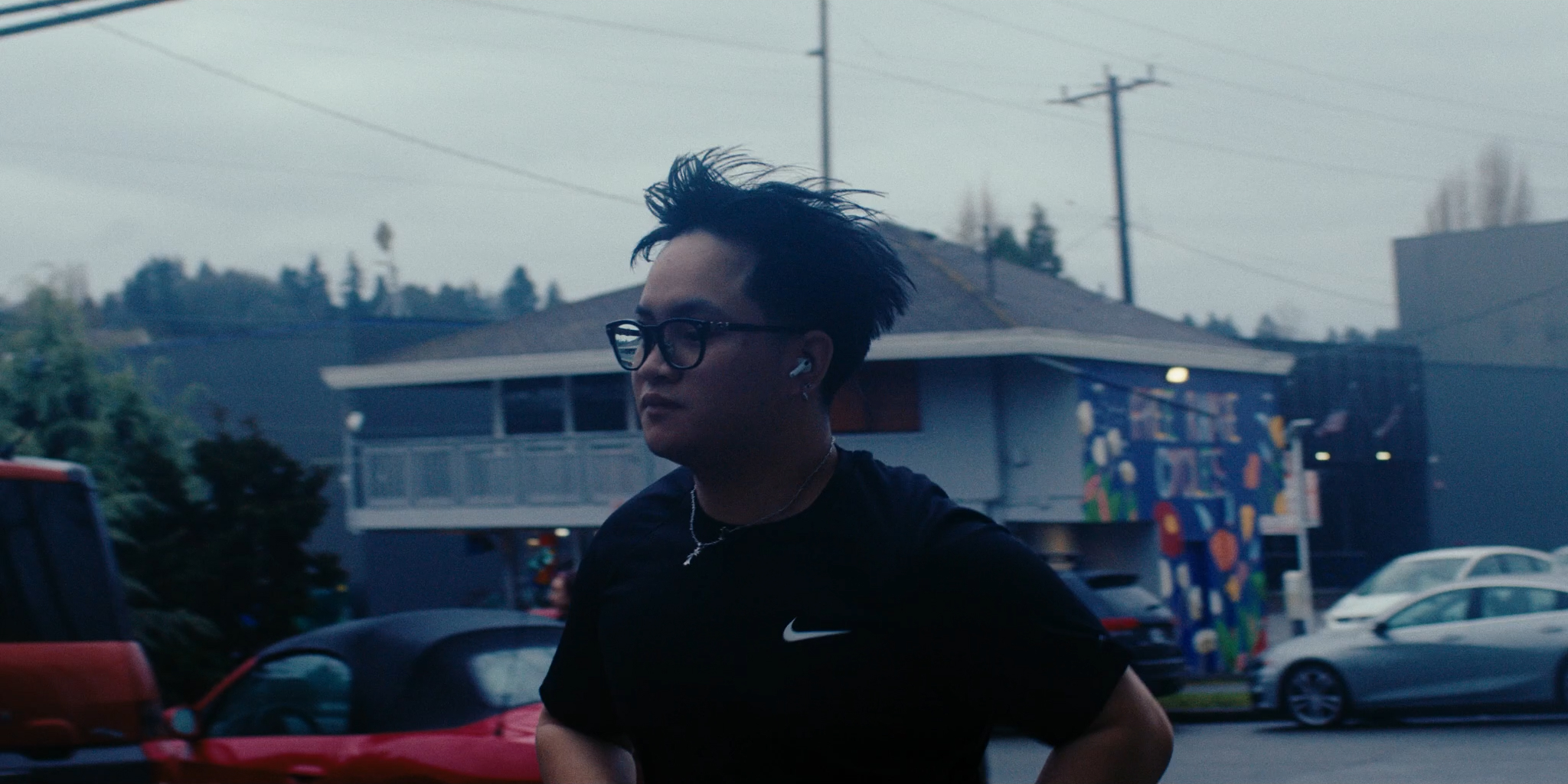
Using location-based systems as my main case study, we leveraged our background in short film creation with design research to showcase the often-overlooked consequences of these systems in a visual and compelling way.
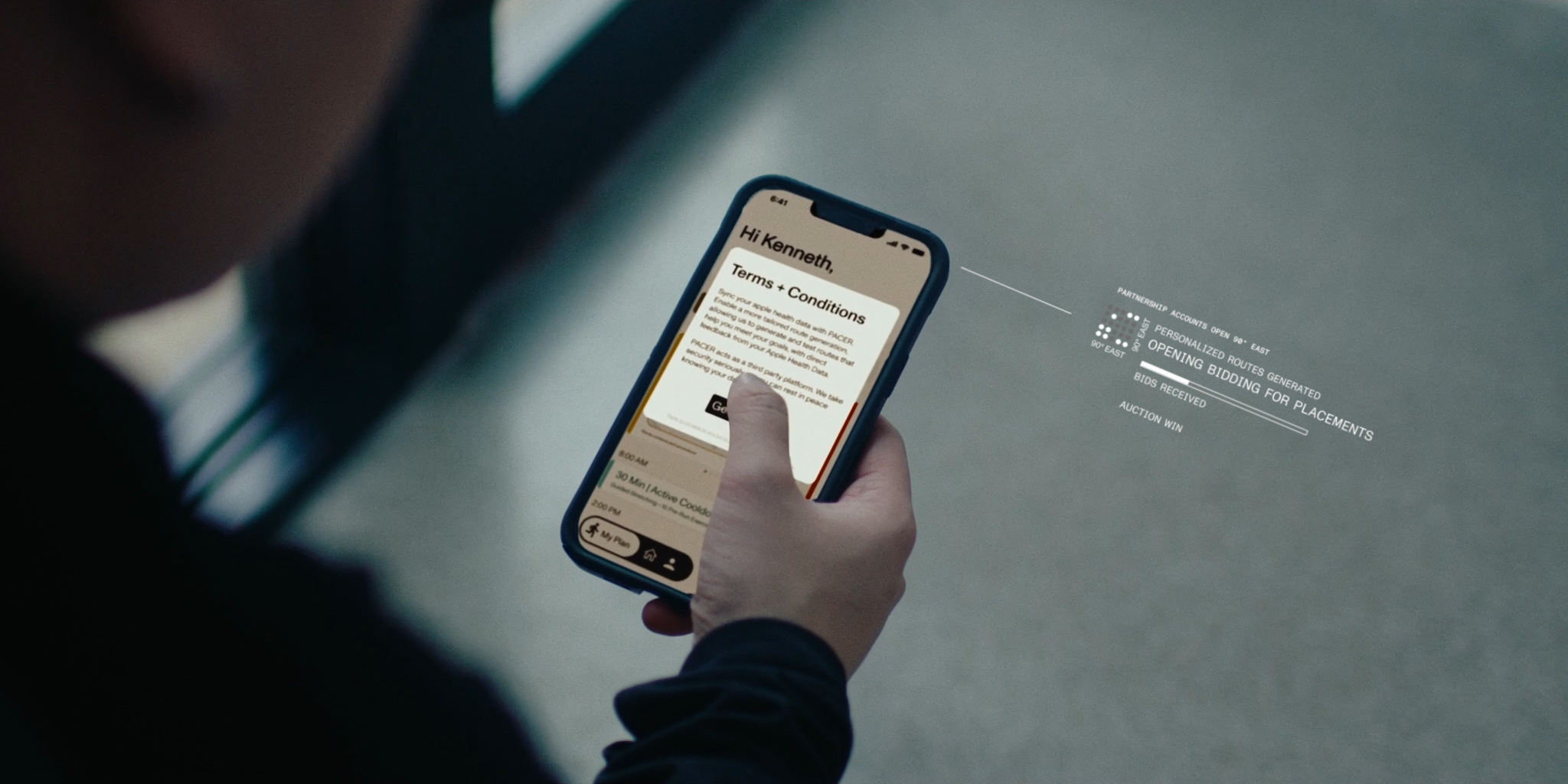
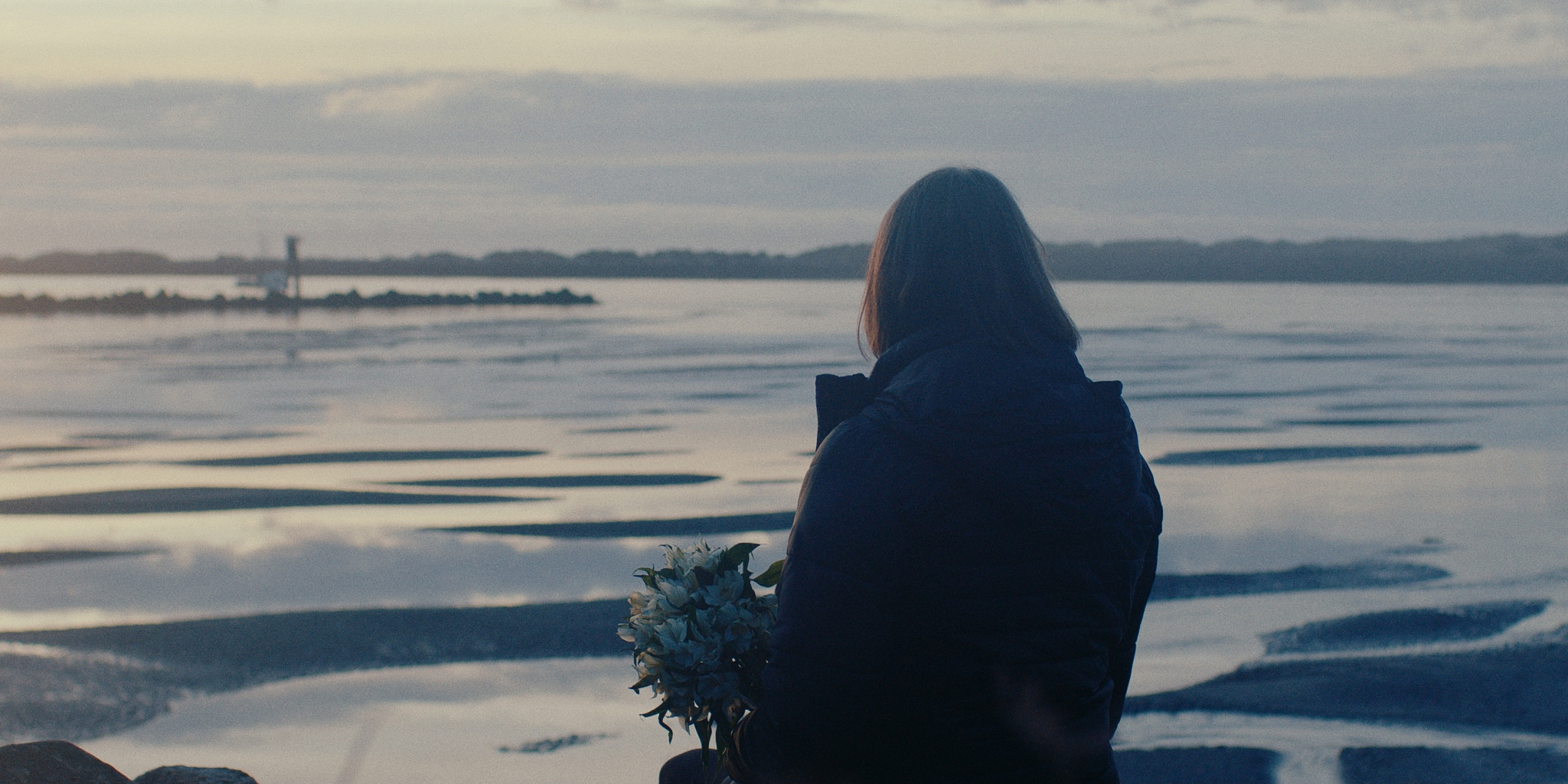
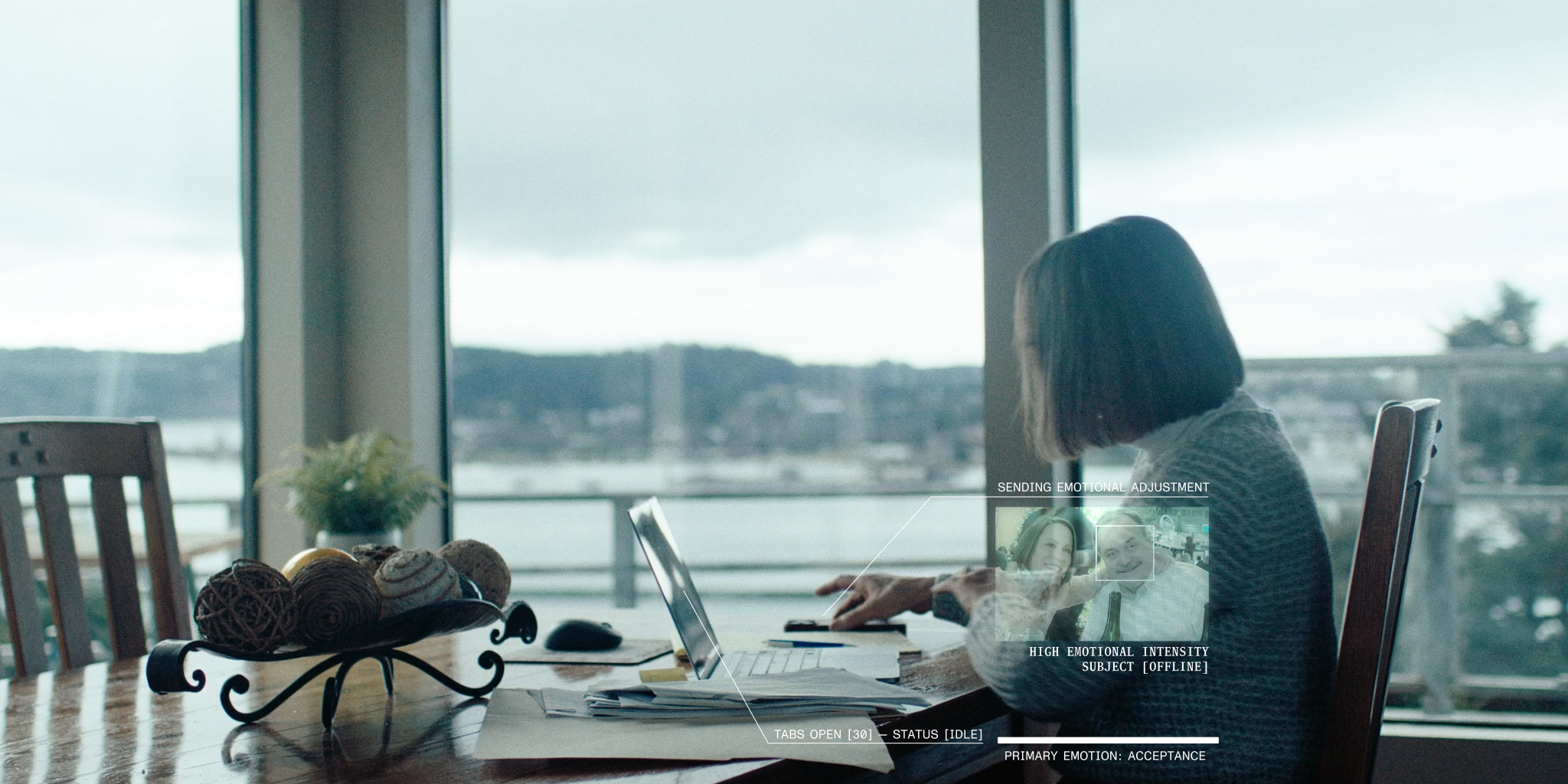
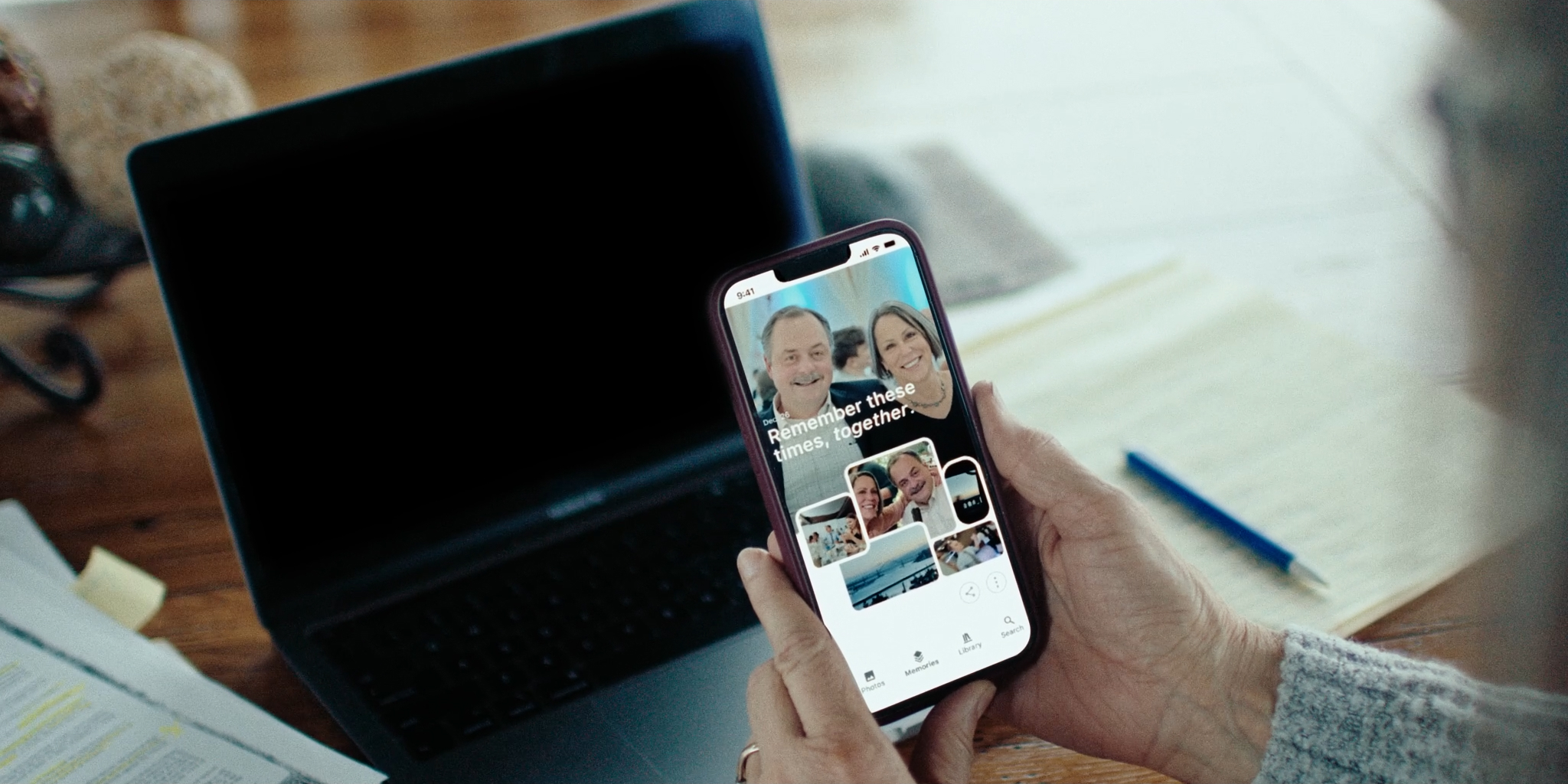
We created four short critical design fiction films in collaboration. These films speculated about near-future interactions people could have with location-based recommendation systems in their everyday apps (e.g. maps, shopping, insurance, and running apps). I used these films to conduct 11 interviews with domain experts where we looked at the risks and ethics of the technology.
Process
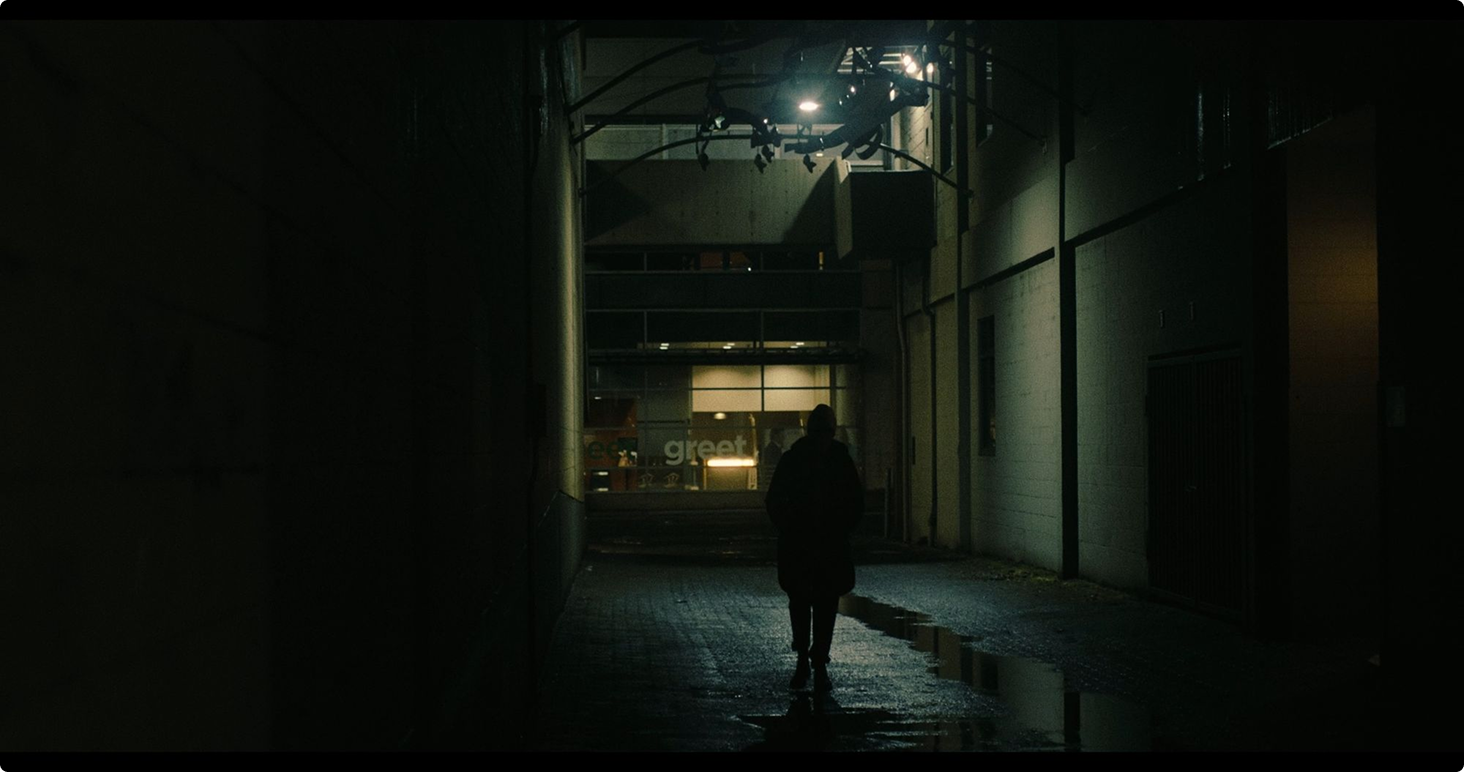
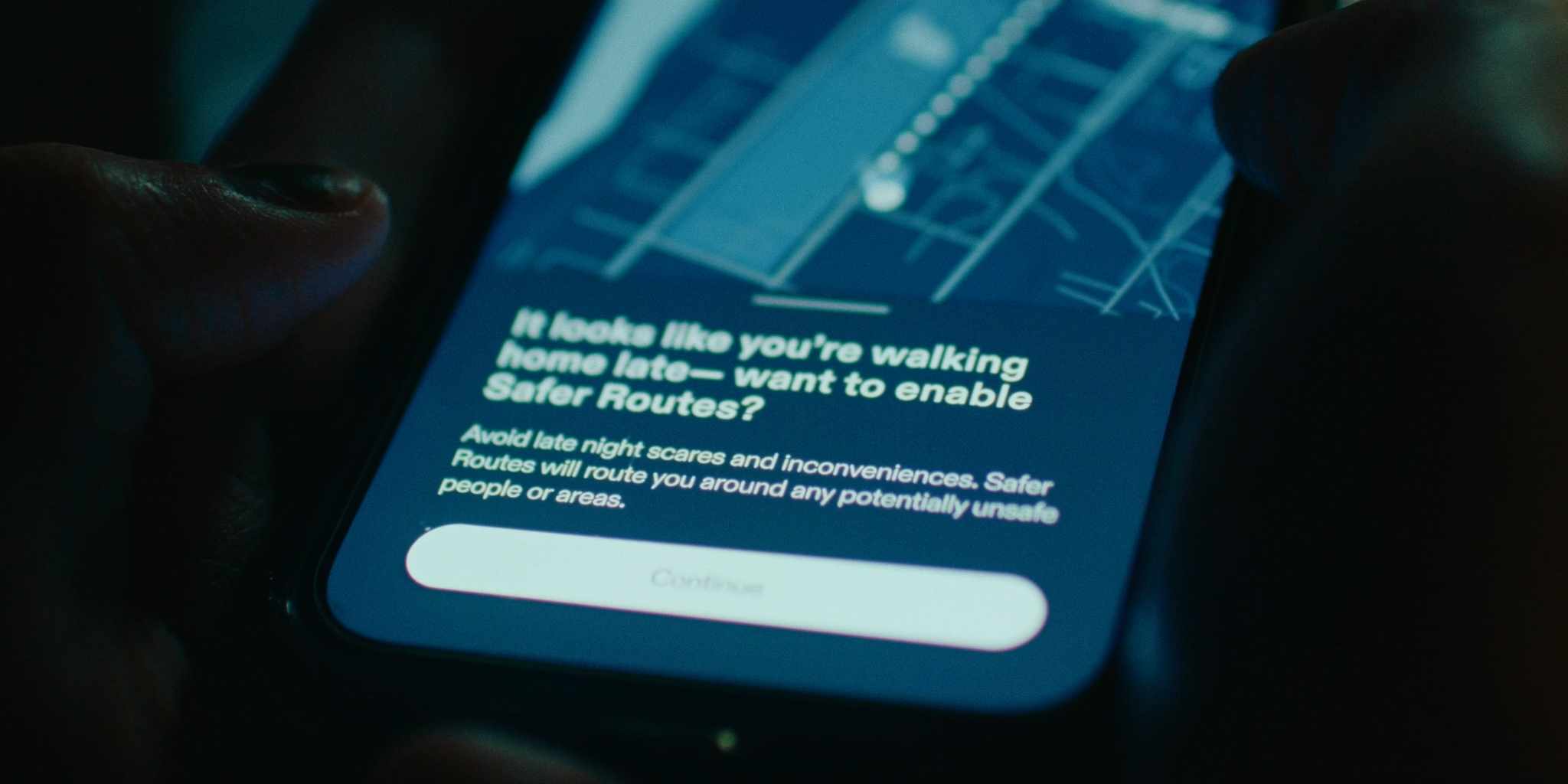
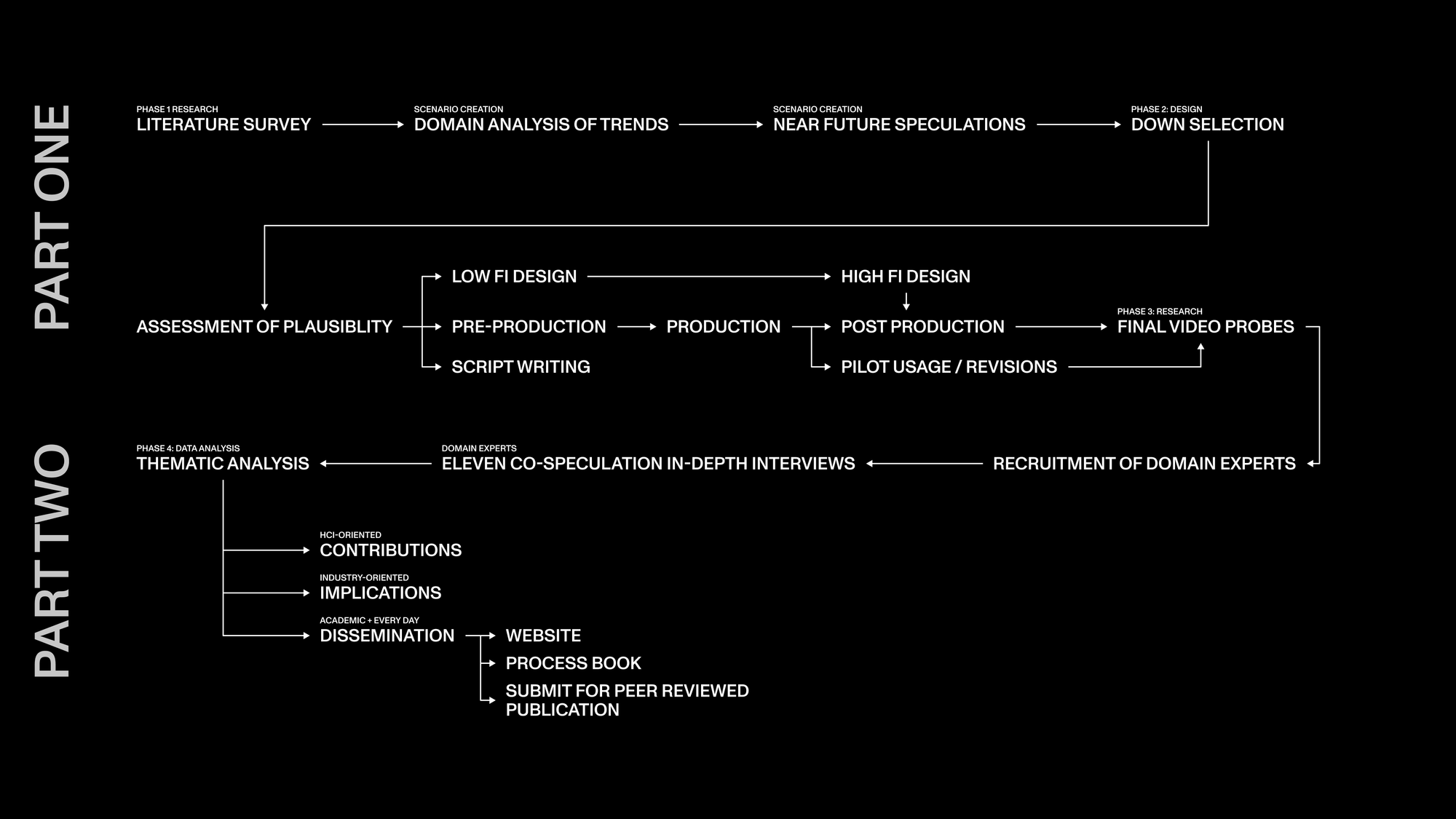
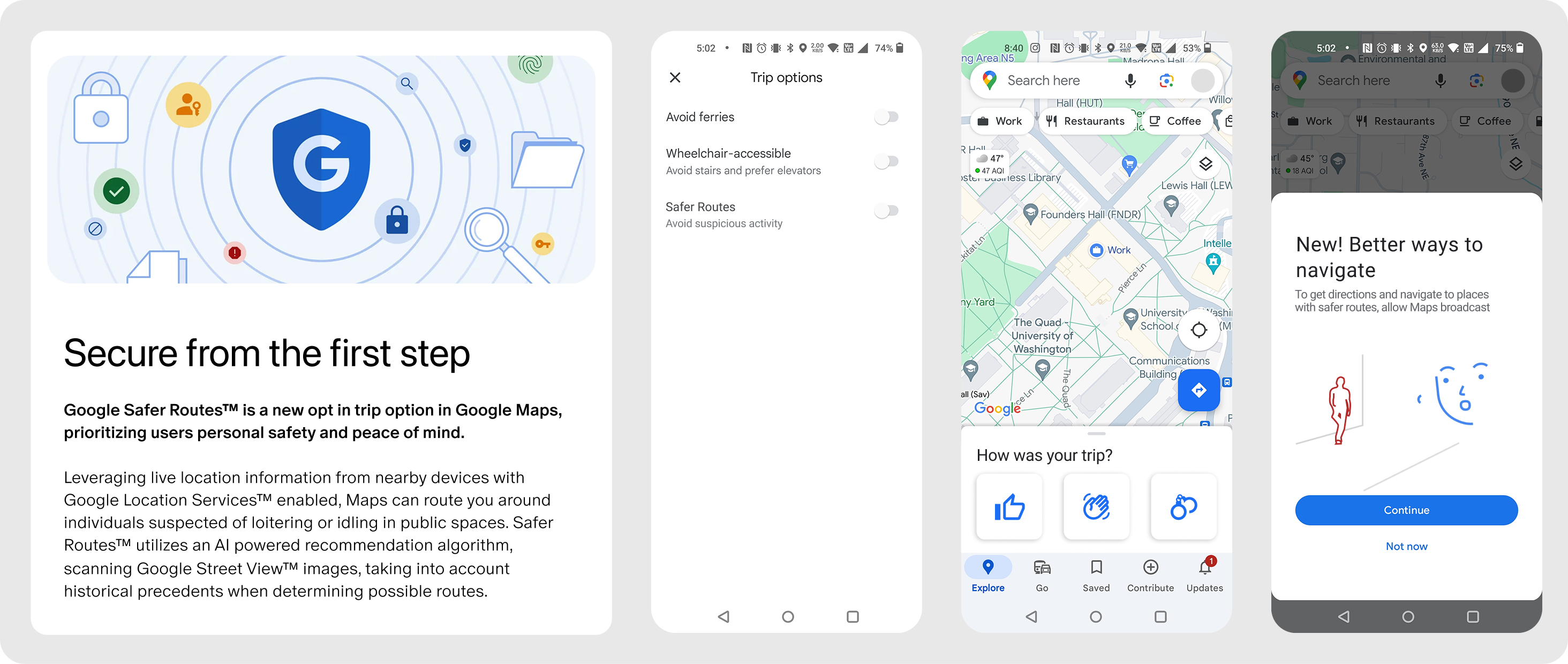
With the understanding that multiple films would be produced, we decided that each film should address distinct critical themes—such as gentrification and corporate-state security collaborations (Avoidable Inconveniences)—that would complement one another.
A significant part of the project was generating broad, high-level critiques to ensure we were discussing different, yet common, themes across all the films. We referenced several key texts, such as “The Relevance of Algorithms,” “The Filter Bubble,” and “The Age of Surveillance Capitalism,” to help us identify the overarching themes that we wanted the films to discuss. Technological mediation, surveillance capitalism, and reductions in agency were highlighted as the three core critiques. Each film was inspired by current events, themes in fictional films, and research reports. For example, “December 26, 4:36 pm,” draws heavily on HCI research that addresses emotional sensitivity and recommender systems.
Once the framework was decided on, we developed the details of the films. We created twenty scenarios, each with a 1-2 sentence description of the plot, setting, and characters that overviewed the specific critiques and trends they were meant to address. These scenarios were critiqued by fellow researchers, designers, and one subject matter expert.
They noted that some scenarios offered "richer" sources of tension or addressed key concerns in their own research. These comments guided us in selecting which concepts to develop further. Ultimately, we balanced the subject matter, the manifestation of location-based recommenders, and the technological critiques alongside the comments from our colleagues and experts to make our final decisions. The final four scenarios were Avoidable Inconveniences, December 26th, 4:36 pm, Evidence of Insurability, and Routine Repetitions.
Deployment
We conducted eleven interviews with four professional developers, one professional designer,three PhD students, one professional artist whose previous work focused on surveillance, one community activist engaged in philanthropy and nonprofits, and one assistant city attorney dealing with public data, culminating in a total of eleven interviews. Our participants’ domain knowledge and expertise allowed us to utilize participants in two roles: evaluators of feasibility and plausibility and collaborators in the act of speculating, critiquing, and understanding possible futures.
Each interview was structured the same—we would start with a brief introduction describing the project's critical nature and informing participants of any key definitions they might not know (often simply a brief explanation of speculative and critical design, then give a two sentence overview of the plot and the themes of the film, then play the film.
Once the film had finished, we would wait for initial participant reactions or prompt them for their first thoughts, then work with questions from our discussion guide. We would spend roughly 20 minutes discussing the film, then move on to the next one. Once all films were viewed, we would then ask our closing questions, asking participants to reflect across all of the videos. The interviews would last between 120 to 180 minutes.
Process Insights
We found that we were able to use our high-fidelity speculative films to elicit meaningful reflection, sustained and interested engagement, and valuable personal views and experiences from all participants.
After viewing a film, most participants immediately responded with little or no prompting from us. One common reaction was to draw connections between the fictional characters and scenarios and the participants’ experiences.
We also found that many participants considered multiple perspectives or identities residing within a character, rather than assuming a univocal version of the story.
While our study is unable to empirically measure the impact of our videos compared to other formats, we nonetheless reflect on tentative evidence suggesting the powers of high-fidelity speculative design videos to engage expert participants within a semi-structured interview discussion.
We have highlighted four types of participatory engagement that our videos appeared to excel at mediating:
- Deep attentional, emotional, and intellectual engagement with the videos.
- Considering pros and cons of depicted technologies.
- Seeing situations from others’ perspective.
- Commenting on behind-the-scenes technologies, such ad algorithmic data processing.
Research Insights
Future Fatalism: “I don’t like it, but there’s little I can do about it”.
Participants perceived the extrapolations in the films often as dystopian visions of the future, grounding their analysis in existing technologies, current trends, and underlying motivations. We title this “Future Fatalism’ or I don’t like it, but there’s little I can do about it. When viewed as dystopian, this reflection often spurred a visceral reaction, leading to declarations of wanting to live off the grid or revert to simpler times. However, these initial reactions were quickly dismissed as unrealistic. Eventually, participants often reluctantly landed upon a fatalistic worldview, resigning themselves to the belief that meaningful change was likely unachievable both societally and particularly with regard to their individual agency.
Change from the Inside
Participants highlight a critical tension within the design and development process. While they recognize their potential for instigating change and accepting responsibility, many felt constrained by structures prioritizing organizational goals (including profit) and rigid hierarchy over transformative impacts. Participants often expressed a desire to enact positive change but described their limited capacities and potentials for negative personal repercussions, such as failing to meet product targets, retaliation from ethics boards, and poor performance reviews from supervisors.
.jpg)
Contribution and Impact
The methods proposed in this project and related publication are not cut-and-paste solutions nor are they necessarily tailored to industry-focused modes of design. While there are uses for high-fidelity design fiction films in industry, they remain niche. Our intended audience is other designers, technologists, and experts.
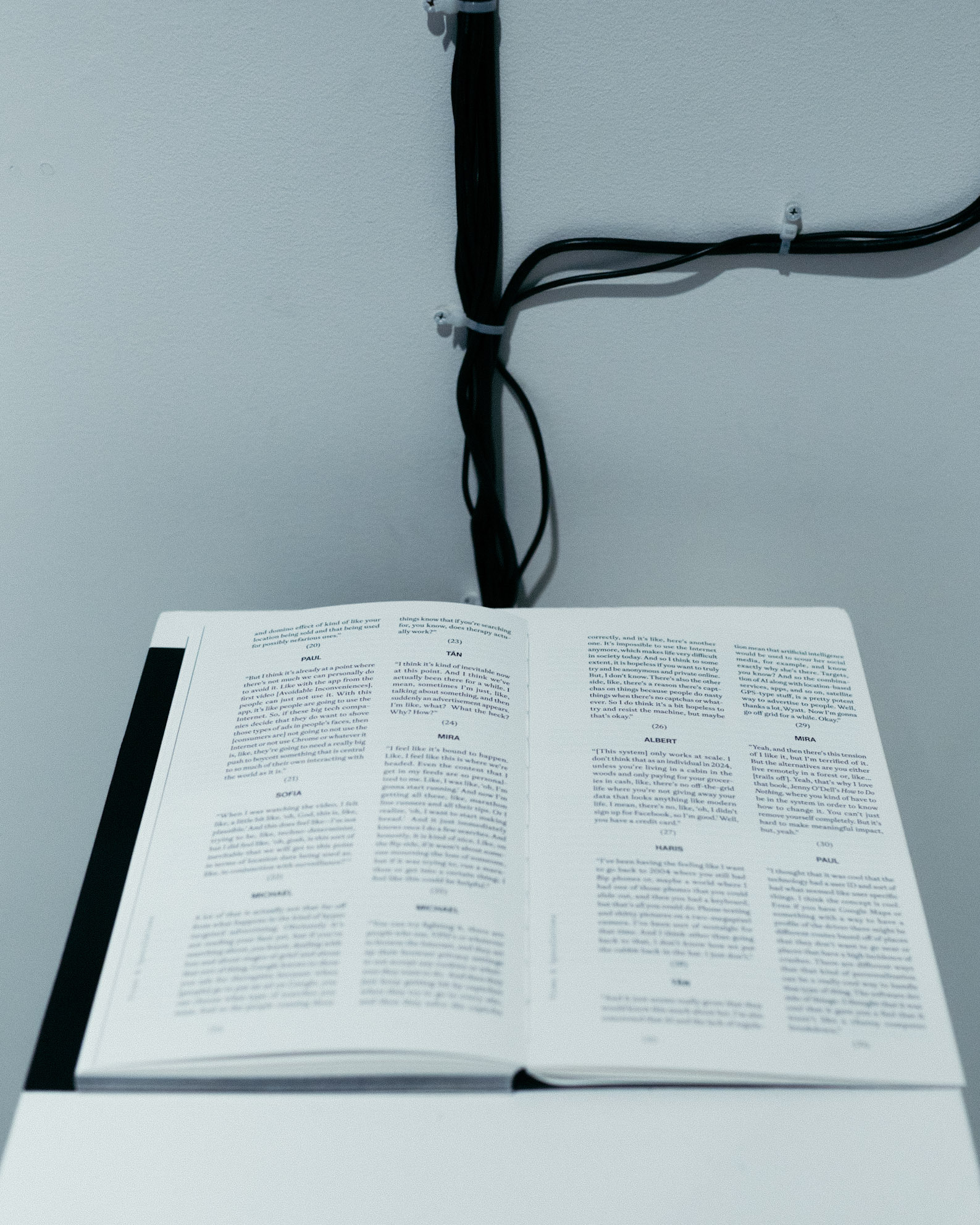
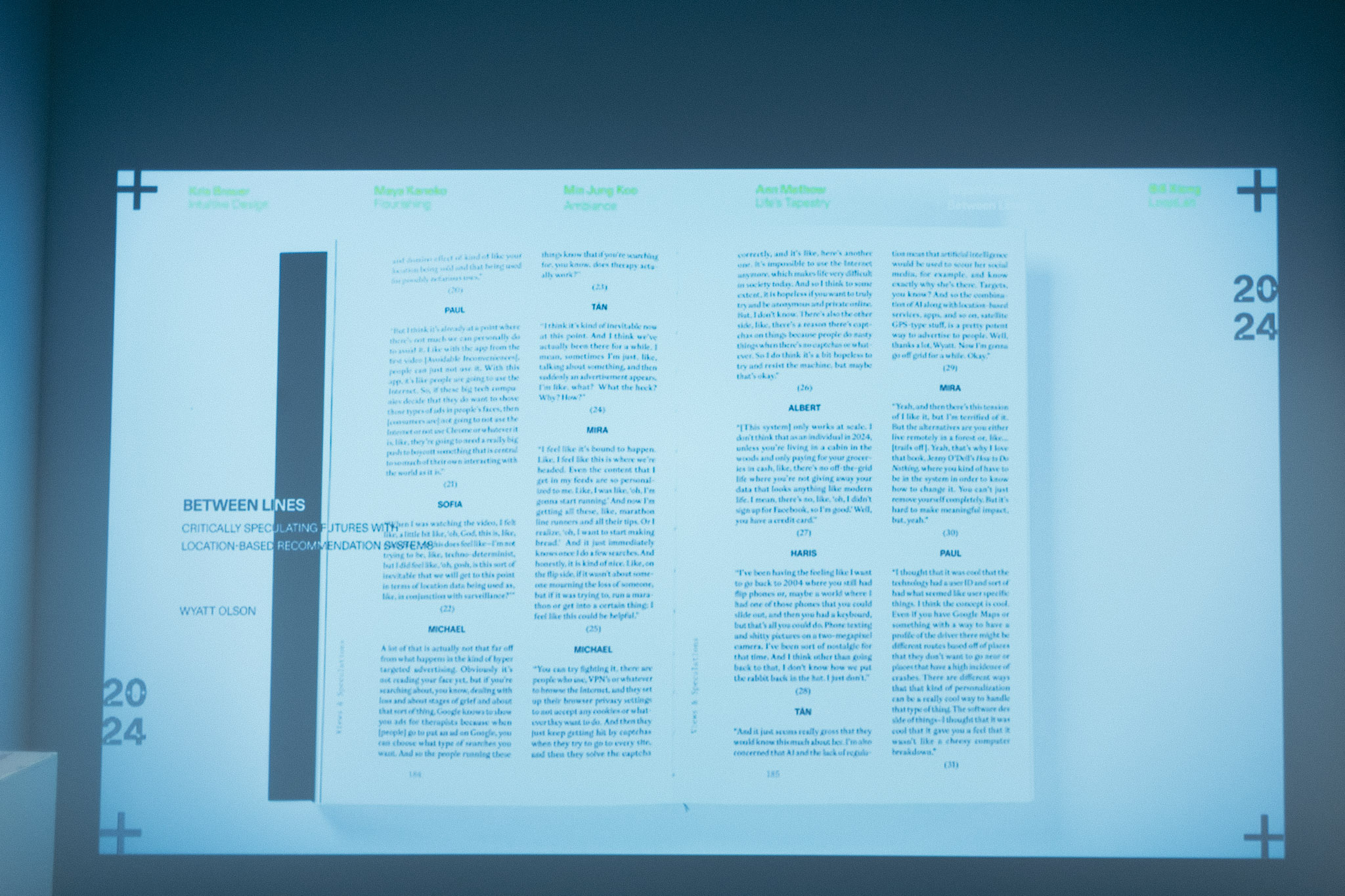
Our project lays out our approach and uncovered many potential benefits to the method. We then disseminate these insights through public exhibitions, research publications, and a dedicated project website.
This project was completed as part of Wyatt Olson's Master of Design Thesis.
Previous Collaborators
Interaction + Visual Design , Filmmaking
Wyatt Olson
Thesis Committee
James Pierce, Chair
Dominic Muren